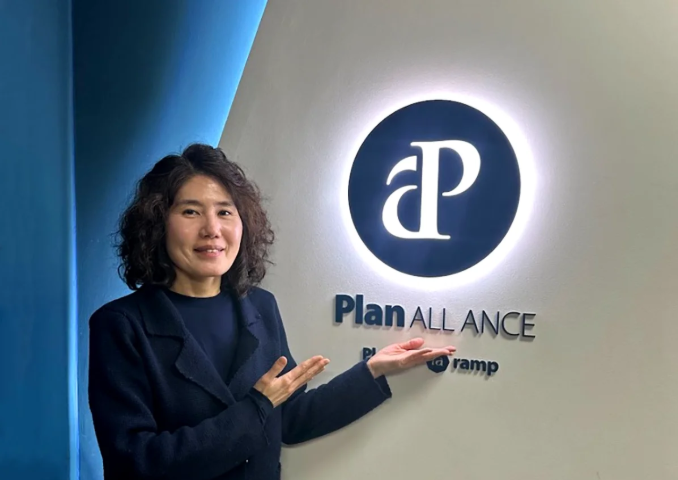
1. What kind of company is Plan Alliance?
We are a public relations and comprehensive advertising agency that handles advertising and PR together.
We take care of all aspects of PR and marketing, from producing promotional videos for businesses to managing SNS channels.
Due to the nature of our business, we often experience a surge of work during certain seasons, and we need to be an organization that responds sensitively to rapidly changing trends.
About 80% of our members are in their late 20s to early 30s, so we are very interested in new methods of promotion, play culture, and SNS trends.
Thus, we consider it extremely important to continually introduce young ideas into the organization.
2. As a small business in Gangnam, what concerns did you have in running your organization?
Since we are an advertising and PR agency in Gangnam, the competition for hiring is quite fierce.
However, it is not easy for small businesses to offer benefits like large companies.
The cost burden is significant, and considering operation and management, I felt there weren't many options.
That said, I didn't want to say, "We are a small company, so it can't be helped."
Employees need to feel that our company is not merely a place where they come temporarily, but rather a place where ‘it would be okay to stay for a long time.’
While it isn't a costly welfare program like larger companies, we reflected on what benefits employees could tangibly feel, and in the process, the option of workations began to emerge.
Specifically, nowadays, during the interview stage, candidates naturally ask questions like "Is remote work allowed?" and "Is flexible working possible?"
In this trend, I felt that workations could be significant as a benefit that enhances our hiring competitiveness.
3. Did you have a goal when introducing workations?
The primary goal was to create an environment where young employees could work happily and feel that 'the company values me.'
I wanted to convey the message that it's not just about "work hard," but that the company is also concerned about the working person's condition and emotions.
My strong desire was to create a ‘home-like company’ that one can visit without feeling burdened.
In fact, our CEO tends to want to offer more to employees,
so I had continual thoughts about "How can we create benefits that employees can fully feel?"
I felt that workations were the solution that best aligned with that concern.
4. What was the biggest difficulty during the implementation process, and how did you resolve it?
While we were eager to introduce it, the realistic barriers turned out to be larger than expected. At first, I explored the SBA workation program operated by the Seoul Economic Promotion Agency.
Since it is a system for small businesses in Seoul, I had high hopes, but encountered many difficulties when I tried to implement it.
The reservation process was almost ticketing-level, making it difficult to secure good accommodations and desired dates.
The structure of benefits was also complex. Asking employees to “constantly log into the site and click through” when they were busy with their individual jobs seemed impractical for operation.
At one point, I even decided that “workations might be difficult to implement in our company.”
Then, while considering how to operate workations more easily and without burden, I discovered Dear Monday.
To be honest, when I first saw Dear Monday, "Ah, I found it!" came to mind.
With this platform, I could see nationwide workation accommodations at a glance,
and the fact that company representatives could seamlessly manage employees' reservations was decisive.
That was when I first felt, “This level means that the person in charge doesn’t have to worry too much, and it can be sufficiently operated.” The kind responses from the operations manager were also appreciated.
5. How did you operate the workations?
We kept the operation method as simple as possible.
We provided the same workation credit to all employees, and allowed them to choose how to use it according to their individual circumstances.
For example, there was a case where four team members exhausted from a project went on a workation to Siheung together.
They worked during the day like a business trip and naturally built their teamwork after work.
Conversely, introverted employees found group workations burdensome, so we allowed them to use the accommodation comfortably, like a vacation rental.
Employees with children also used it with their family over the weekend.
Also, any remaining credits given to employees were used as prizes for company events or internal activities.
We didn’t set a rigid rule that “Workations must be done this way.”
In fact, keeping the utilization method flexible seemed to help everyone tailor it to their specific needs.
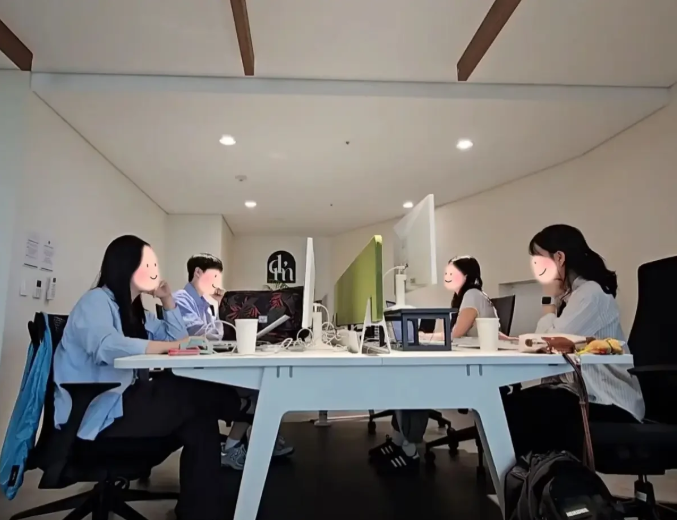
<Plan Alliance employees working at Dear Monday Siheung Le Collective Workation Office>
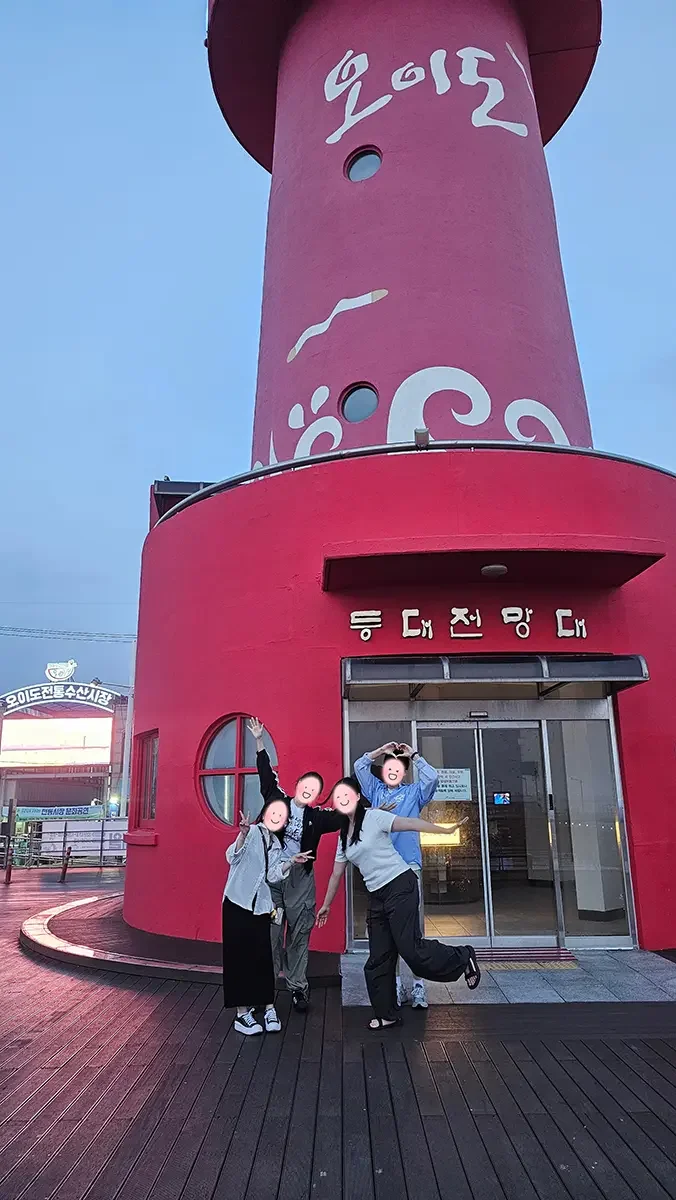
<Plan Alliance employees building teamwork after work in Oido>
6. How was the employee response after implementing workations?
Even before I felt it myself, employees began to show their reactions.
When I heard the question, “Aren't we going to do the Dear Monday workation this year?”
I thought, 'Ah, this isn't just a temporary event; it has established itself as a benefit that employees look forward to.'
Also, when new accommodations opened on Dear Monday, employees would inform me saying, “A new place has opened up!”
Photos from workations taken by teams were naturally shared, fostering an atmosphere where individuals became closer while working.
Even without forcing workations, it seemed to become a naturally discussed and anticipated benefit within the organization as everyone utilized it in ways that suited them.
.webp)
Plan Alliance employees enjoying team workations (1)
.webp)
Plan Alliance employees enjoying team workations (2)
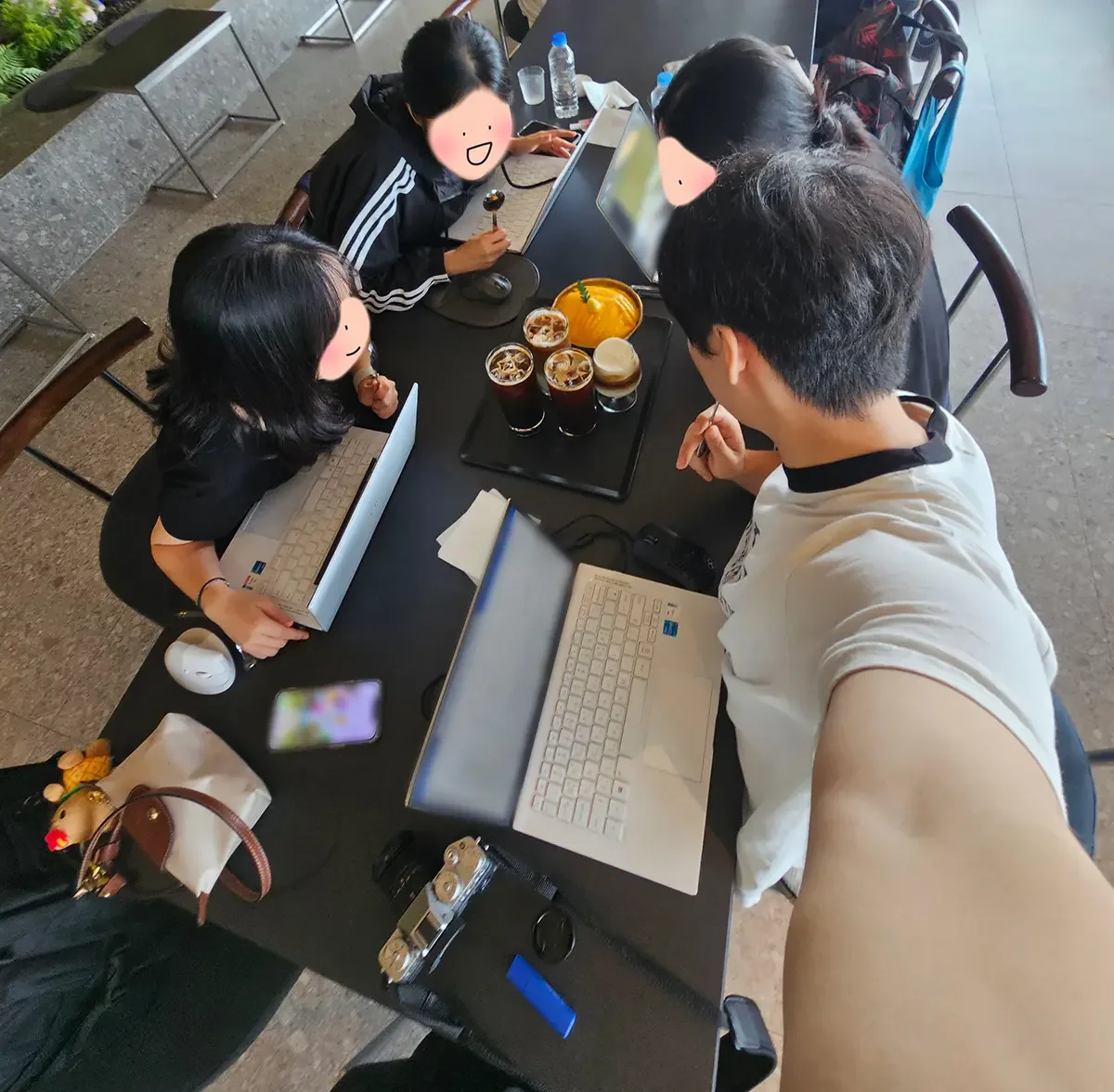
Plan Alliance employees enjoying team workations (3)

Plan Alliance employees enjoying team workations (4)
7. What was the decisive reason for re-signing with Dear Monday?
I felt there was no alternative that matched us as well as Dear Monday.
The number of accommodations available nationally continues to increase, and the quality of accommodations and offices is consistently maintained, which gives us confidence.
It was also impressive that the benefits can be utilized flexibly in situations such as vacations or family trips, not limited to workations.
From the perspective of a small business, planning benefits anew every time is not easy, but with Dear Monday's corporate pricing plan, I felt we could seamlessly cover not only workations but various situations like vacations.
I believe it creates a structure where benefits are not just a "one-off event" but rather a "company that wants to gradually expand every year." Hence, the decision to re-sign was more of a natural choice rather than a concern.
8. Do you have a message for company representatives considering introducing workations?
I think there’s no reason to hesitate about introducing it. Especially for organizations like ours, where ideas are important, or for small businesses that find it challenging to offer benefits at the level of large companies, I feel it is truly an appropriate choice.
We, too, initially wondered, “Will this really work for our company?”
But once we implemented it, we learned that affordable benefits that employees can truly feel are possible, and most importantly, the message of ‘the company cares about the condition and working environment of its employees’ is naturally conveyed.
Once you properly experience it, you'll think, “Why didn't we do this sooner?”
For us, workations are not just an event-based benefit but one of the convincing operational methods that small businesses can realistically select.
9. Lastly, do you have any words for Dear Monday?
From a representative's perspective, I feel that Dear Monday is a service that I can continue to trust and work with.
I can clearly feel that the service improves every year. The network of locations is steadily expanding, and the service structure is becoming increasingly refined.
Not only for workations but also for vacations, the ability to naturally use these services has created an impression that the overall structure of benefits has become more flexible.
Especially for company representatives,
I believe the growth of Dear Monday allows us to offer employees 'different choices from the previous year' every year, which is a significant advantage.
I hope you continue to be a partner in building a workation structure that we can operate without burden.
Wrapping up the Interview
Workation as Another Option for Corporate Benefits
Plan Alliance's story shifts the perception of workations from being labelled as 'special benefits' to being seen as a viable option for small businesses.
We were able to flexibly operate in line with the organization's situation without a large budget or complex systems, and the results naturally followed in employee responses.
As Dear Monday expanded its branches and advanced its service structure, Plan Alliance has also consistently operated workations.
This case is even more significant as both the service and the company have grown at their own pace, gradually broadening the options for benefits.
I hope this interview serves as an opportunity for small business representatives considering workations to envision how to operate them in a way that suits their organization, rather than questioning if it's possible to adopt.